
Pregnancy is a very important time in your life and every pregnancy will have different medical requirements. While many women will have an uncomplicated pregnancy, some women may need extra medical attention due to having pre-existing medical conditions, pregnancy complications or potential concerns for the development of the baby. This can be considered a high-risk pregnancy.
A high-risk pregnancy doesn’t necessarily mean anything will go wrong, however it can mean that your body or your baby’s body may need extra monitoring and medical treatment. Knowing what can cause a high-risk pregnancy and knowing when to see a specialist can help you make informed decisions.
It refers to when you or your baby have a higher chance of developing complications during your pregnancy. This could be due to medical conditions you have, your age, your previous pregnancy history or complications that occur during your pregnancy.
It doesn’t mean that you won’t have a normal delivery. What happens will depend on your health, your baby’s health and how your pregnancy is progressing.
What Can Cause a High Risk Pregnancy?
There are various reasons why you may have a high risk pregnancy. While not all women will have issues, some women may need extra monitoring.
1.Age
The age you are can affect your pregnancy. Those under 18 or over 35 may have a higher chance of issues. These can include high blood pressure, gestational diabetes, premature labour or chromosomal conditions in your baby.
2. Pre-existing Medical Conditions
A woman’s existing health conditions can play an important role in pregnancy and may require additional medical care. These may include high blood pressure, diabetes, thyroid issues, kidney or heart conditions, autoimmune conditions, and certain blood disorders.
3.Pregnancy Complications in the Past
If you have had complications in previous pregnancies, you may need extra monitoring. These complications can include pre-eclampsia, premature labour, recurrent miscarriage, fetal growth concerns or gestational diabetes.
Your doctor may look at your past medical history so they can identify any potential risks and provide the correct antenatal care.
4.Multiple Pregnancy
If you are carrying twins or triplets you may need to attend more appointments. There is a higher chance of complications such as premature birth, varying growth between your babies and high blood pressure.
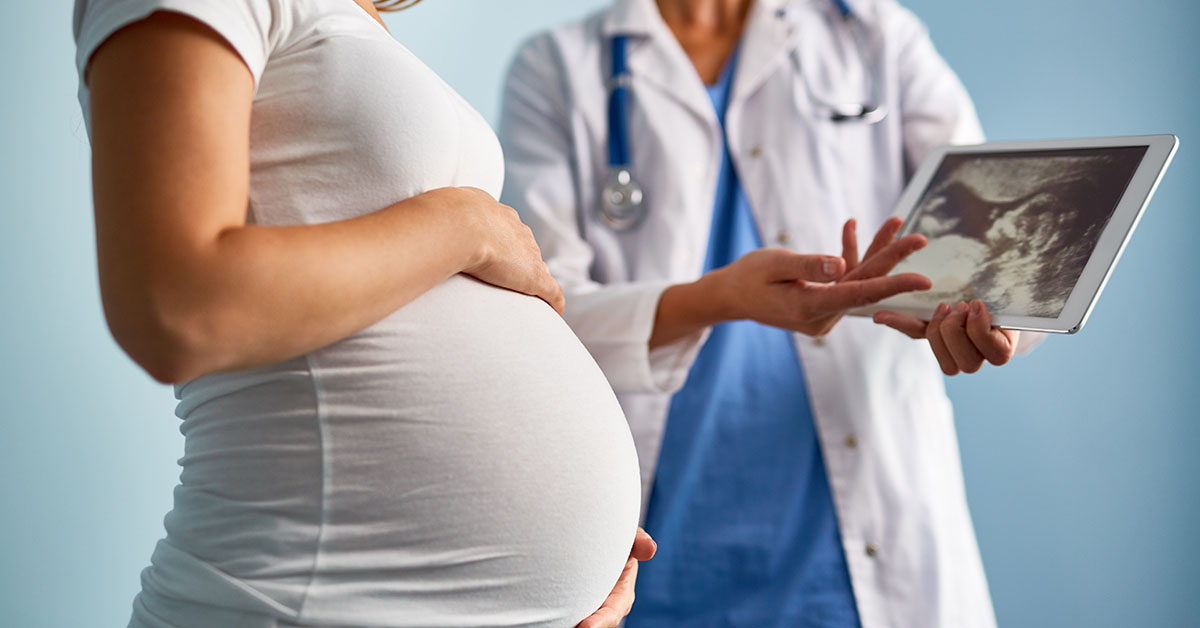
Regular ultrasounds will be performed to monitor the development of your babies.
5.Pregnancy Complications
Certain medical complications may arise during pregnancy, requiring careful evaluation and regular monitoring. These may include gestational diabetes, high blood pressure, pre-eclampsia, placental abnormalities, low amniotic fluid levels, and concerns regarding fetal growth and development.
Warning Signs of a High Risk Pregnancy
Some pregnancy-related complications may develop without showing noticeable symptoms, making regular antenatal appointments essential. These check-ups help monitor the mother’s health and the baby’s growth while allowing potential concerns to be identified early.
Certain warning signs should never be overlooked during pregnancy. These may include unusual discharge, severe or persistent abdominal pain, severe headaches, blurred vision, or sudden swelling in the face or hands.
Other symptoms, such as persistent nausea, difficulty keeping fluids down, fever, or signs of infection, also require medical attention. Any decrease or noticeable change in your baby’s movements after a regular movement pattern has been established should be reported to your gynaecologist promptly
If you experience heavy bleeding, severe abdominal pain, difficulty breathing, fits and other severe complications you should seek medical attention immediately.
How Will My High Risk Pregnancy Be Monitored?
Your medical history, how far along your pregnancy is and what risks you have may mean your doctor suggests extra appointments or investigations.
These can include:
Blood and Urine tests : To help identify your haemoglobin, blood sugar, kidney function, urine infection and any other concerns.
Blood Pressure monitoring : Helps identify if you have high blood pressure.
Ultrasounds : These will help identify how your baby is growing, developing, position, placenta and amniotic fluid.
Gestational Diabetes : Testing your blood sugar levels can identify if you have diabetes.
Fetal monitoring : Depending on your pregnancy your doctor may suggest tests such as a non stress test to monitor your baby’s heart rate.
Not everyone will need all of these tests, your doctor will suggest the right investigations for your medical needs.
How Can I Look After Myself With a High Risk Pregnancy?
In addition to medical monitoring you can do things in your everyday life to help your health.
- Eat a healthy balanced diet with the right amount of nutrients as advised by your doctor.
- Take all your medication and supplements.
- Rest enough and follow your doctor’s advice on exercise.
- Avoid smoking, alcohol and other harmful substances.
- Keep track of your appointments, reports and ultrasounds.
- Monitor your baby’s movements as advised.
- If you notice any unusual symptoms talk to your doctor.
- Every woman will have different medical needs so your doctor will advise you.
When Should I See a Gynaecologist For My High Risk Pregnancy?
If you are experiencing pregnancy-related complications, have a pre-existing medical condition, or have concerns about your baby’s health and development, seeking timely medical advice is important. Consulting a Pregnancy Specialist in Noida can help you understand potential risks and receive appropriate medical guidance.
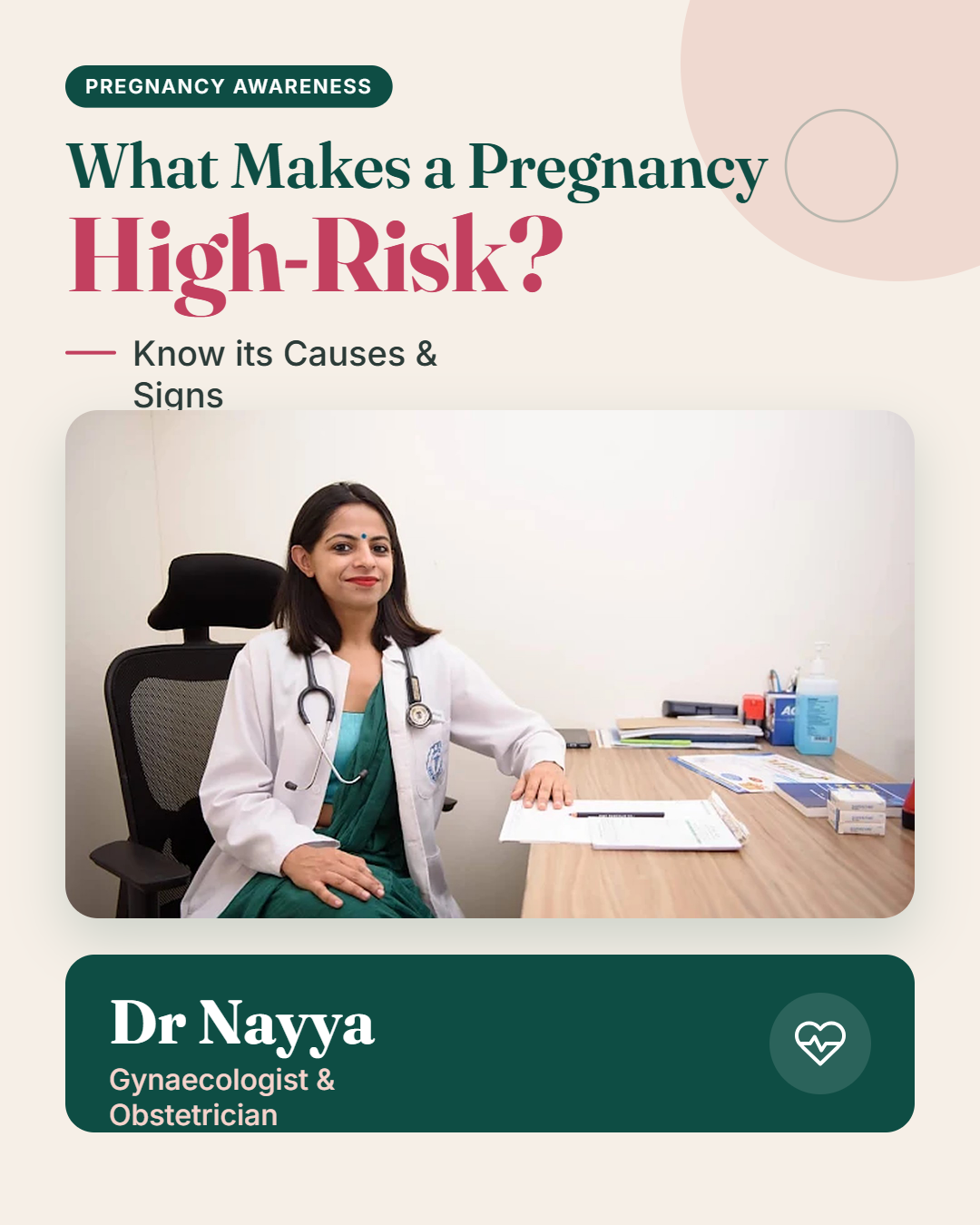
Dr. Nayya Saini, Gynaecologist & Obstetrician at RE-FORMe Clinic, Sector 75, Noida, offers pregnancy consultations and gynaecology consultation services in Noida. If you are looking for a Gynecologist in Noida or obstetric care near me, you can consult Dr. Nayya Saini for professional pregnancy-related medical advice.
The aim of high-risk pregnancy care is to identify potential complications early, monitor the mother’s health and the baby’s development, and provide appropriate medical guidance throughout pregnancy. Timely consultation at a trusted best gynac center in Noida can help support better pregnancy care and outcomes.
FREQUENTLY ASKED QUESTIONS
1.Does a high risk pregnancy mean my baby is at risk?
No, a high risk pregnancy just means that there is a higher chance of complications so you may need extra medical monitoring. Many women with high risk pregnancies have healthy deliveries with the correct medical care.
2.What age is considered a high risk pregnancy?
Those under 18 or aged 35+ may have some added risks. However age isn’t the only factor, your overall health and medical history will also play a role.
3.Can high blood pressure cause a high risk pregnancy?
Yes, having high blood pressure before or during your pregnancy can increase your chances of complications such as pre-eclampsia and issues with your baby’s growth. Regular monitoring and medical advice can help.
4.How often will I see my doctor?
This will depend on your medical condition and how your pregnancy is progressing. Some women may need to see their doctor more frequently, have more blood tests, ultrasounds and fetal monitoring.
5.Where can I see a pregnancy specialist in Noida?
Dr. Nayya Saini at RE-FORMe Clinic, Sector 75, Noida can provide medical advice on your pregnancy concerns. She provides antenatal consultations and high risk pregnancy care.
Knowing your risks early and keeping in touch with your gynaecologist can help you make informed decisions at every stage.