
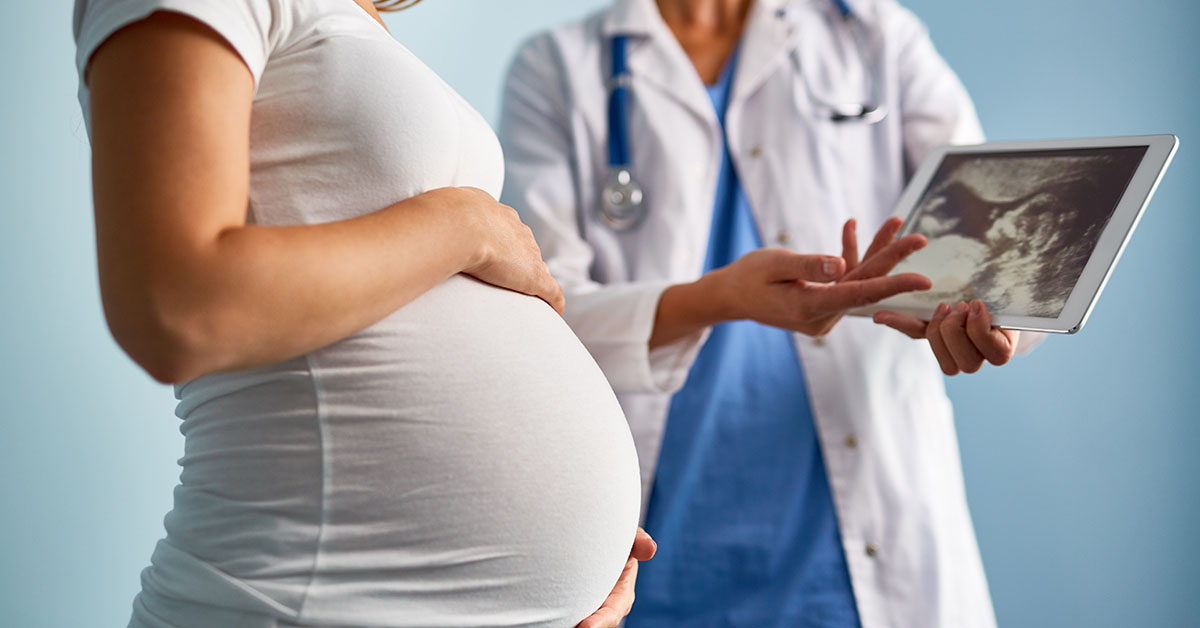
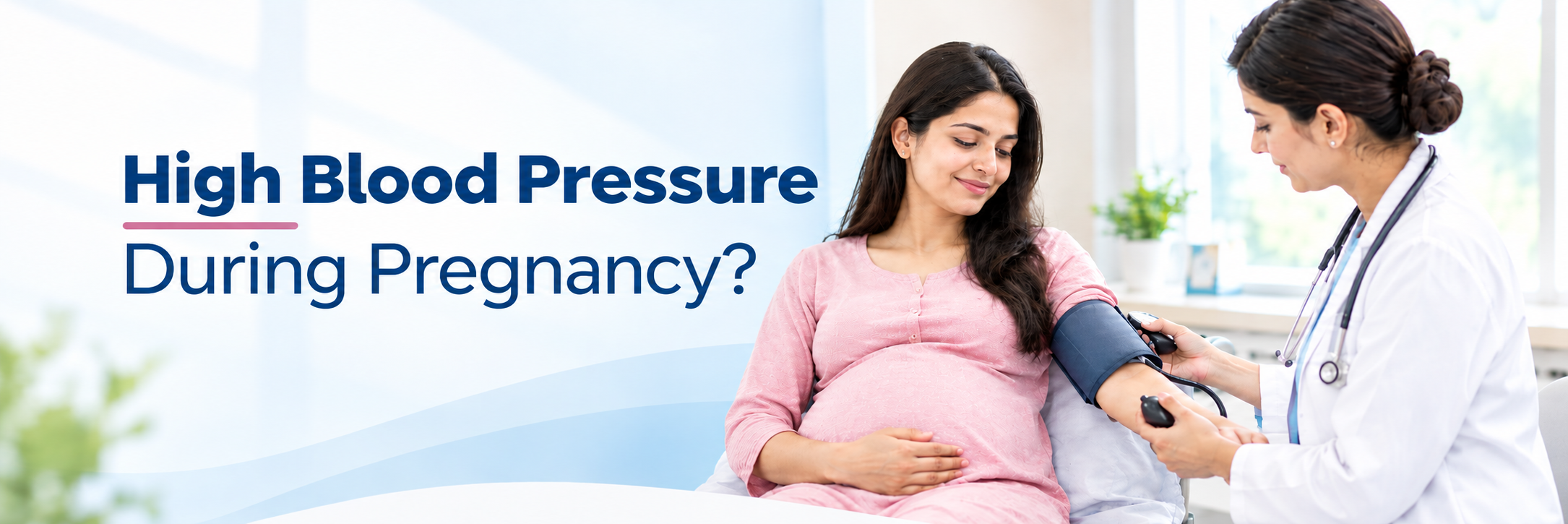
You might feel absolutely fine and have no idea that anything is wrong. Headaches, dizziness, or any other warning signs may never come. Such is why antenatal checkups are so important.
Blood pressure tests allow your gynaecologist to spot any irregularities. They can then decide whether you need further tests, extra monitoring, or treatment for high blood pressure. High blood pressure can occur on its own or be related to preeclampsia, a serious condition affecting pregnant women.
Blood pressure tests are a routine procedure during pregnancy but they allow your doctor to keep a close eye on your condition.
Why Is Blood Pressure Monitoring Important?
Blood pressure is the force exerted by blood against artery walls. When it is too high, it puts an unhealthy strain on the body, contributing to a number of complications during pregnancy.
High blood pressure manifests itself differently in every pregnant woman. It can be chronic, gestational or preeclampsia-related.
The different types of high blood pressure are:
- Chronic hypertension: High blood pressure occurring before conception or during the first 20 weeks of pregnancy
- Gestational hypertension: High blood pressure developing during pregnancy (after the 20th week) with no signs of preeclampsia
- Preeclampsia: Characterized by high blood pressure and organ damage (liver and kidneys)
These conditions have to be closely monitored as they pose risk to the wellbeing of the mother and the fetus. In some cases, high blood pressure can cause low birth weight, fetal development restriction and pregnancy-induced placental issues.
Attending antenatal appointments and having your blood pressure monitored is important, both for you and for your baby. It doesn’t hurt to have regular blood pressure tests even if you feel well.
Can High Blood Pressure Occur Without Symptoms?
Yes, it certainly can. In fact, many women with high blood pressure don’t feel any different. You may continue with your regular daily activities as a high blood pressure reading can be completely asymptomatic.
This is why waiting for symptoms such as headache and dizziness to appear is not an advisable strategy. A simple blood pressure test can detect any anomalies long before any symptoms arise.
That being said, you should inform your maternity care provider immediately if you feel unwell.
The most dangerous signs of preeclampsia and eclampsia include:
- Severe headaches
- Vision problems (blurry vision, flashing lights)
- Upper right abdominal pain
- Swelling in face and/or hands
- Difficulty breathing
These are all reasons to get immediate medical assistance. Severe breathing difficulties, chest pain and seizures also require emergency intervention.
How Often Should I Get My Blood Pressure Checked?
Your blood pressure will normally be checked during antenatal visits. How often it is examined depends on your blood pressure and medical history.
For example, women with chronic hypertension or preeclampsia during previous pregnancies may require more thorough monitoring. If your blood pressure is found to be high, your doctor may also recommend more frequent blood tests, urine tests and ultrasounds for the baby.
Additionally, you may be recommended to keep a log of your blood pressure at home. If you are to measure your blood pressure independently, be sure to use a reliable machine.
Tips For Checking Your Blood Pressure At Home
For an accurate reading:
- Sit down and rest for a few minutes before taking the measurement
- Keep your back supported and your feet flat on the floor
- Hold the arm you are taking the reading from at heart level
- Follow the instructions provided with your blood pressure machine
- Record the result and bring your readings to your doctor’s appointments
A single high reading is not necessarily a reason for alarm but it should not be ignored.
Important blood pressure readings during pregnancy are:
- 140/90 mmHg or higher (requires medical assessment)
- 160/110 mmHg or higher (severely high blood pressure that requires immediate medical attention)
If you get a high reading, do not hesitate to take it again. However, do not delay on taking it to your doctor, particularly if the reading is severely high or you have warning symptoms.
Planning For Pregnancy With Pre-existing High Blood Pressure
If you have high blood pressure and are planning a pregnancy, it is best that you consult with one of our expert doctors. They will go over your blood pressure and medication prior to the procedure and figure out what adjustments may be required.
Certain medications are not only unsafe but potentially dangerous during pregnancy. Do not attempt to change your medication, or completely stop taking it without consulting a doctor. Left untreated, high blood pressure can also harm the fetus.
Once you are pregnant, be sure to attend all your antenatal appointments and take the medications your doctor has prescribed. A healthy diet and regular moderate exercise are both healthy lifestyle changes but they’re not a substitute for proper medication.
It is also important to keep in mind that high blood pressure does not only occur during pregnancy. There is a possibility that you will develop it independently after childbirth as well.
If you experience a severe headache, vision problems, upper abdominal pain or have difficulty breathing after delivery, it is critical that you get emergency medical assistance. Similarly, if your blood pressure was normal during pregnancy, but it is high postpartum, it is important that you bring it to the attention of your doctor.
It is important that you follow your doctor’s instructions throughout your pregnancy and after the delivery of your child. This way, any changes in your blood pressure will be monitored and the necessary course of action will be decided upon condition.
When Should You See A Gynaecologist?
If you have a history of high blood pressure, experience preeclampsia, get high blood pressure readings or are considering becoming pregnant while on blood pressure medication, it is best that you consult your gynecologist.
You should also reach out if you experience any abnormal symptoms, even if you have not been diagnosed with high blood pressure. Your doctor will be able to assess your case and decide if further tests or specialist consultation is required.
Dr. Nayya Saini at RE-FORMe Clinic, Sector 75, Noida, can help you manage your condition. Women have the option of antenatal checkups, pregnancy-related blood pressure tests and general gynaecological appointments where the matter of high blood pressure can be discussed.
Pregnancy checkups are an important part of any pregnancy as they can enable early detection of preeclampsia and other conditions. They won’t help you avoid every complication but they can assist in determining the course of further actions.
Keeping an eye on your blood pressure is something you can easily do. Doing so has the potential to greatly benefit you and your child.
Frequently Asked Questions
1. Can High Blood Pressure During Pregnancy Affect My Baby?
Yes, it can. Uncontrolled high blood pressure can lead to restricted fetal growth, placental issues and preterm birth. Your doctor may recommend further tests or procedures if your blood pressure is found to be high. These are done to assess the health of the fetus and determine the course of further action. There is always an option of reviewing your medication as well.
2.Is There Always A Symptom For High Blood Pressure?
No, there isn’t. Sometimes, high blood pressure can develop independently of other symptoms. Because of this, it is important to have blood pressure tests during pregnancy. You cannot rely solely on symptoms to know if you have high blood pressure.
3. What Is Considered To Be A High Blood Pressure Reading?
A reading of 140/90 mmHg or higher requires medical attention. Any reading of 160/110 mmHg or higher is severely high. Do not wait for your regular appointment if you get a high reading. It is better to be safe than sorry.
4. Can High Blood Pressure Occur After Delivery?
Yes, it can. There is a chance that you may experience high blood pressure or postpartum preeclampsia following childbirth. This can occur regardless of whether you experienced any complications during your delivery.
The most concerning symptoms are severe headaches, vision problems, upper right abdominal pain and difficulty breathing. Seek immediate medical attention if you experience these symptoms after delivery.